
I’ve just started a new job as a newspaper reporter, and I’m facing what’s known as “the daily test.” That involves finishing a small-potatoes assignment by lunchtime to be available for a bigger news story in the afternoon.
I really want that bigger story. I need that bigger story. So I’ve got to get that little assignment done fast.
The little article is about an upcoming festival in a small town in the next county. I’ve figured out exactly how long it will take to drive there, interview a festival volunteer, drive back, and write up the piece in time to be available for the bigger one.
I meet the volunteer at his home. He’s a trim older gentleman with gray hair and wire-framed glasses. He reminds me of my dad.
We sit down in his living room and he offers tea. I decline; after all, I’m in a hurry. I jump right in with my first question: “How did you get involved with the festival?”
And the nice older man hesitates, then looks down. His shoulders shake as he sobs.
I don’t know what to do. In journalism school, they don’t teach you how to respond when a guy, who looks like your dad, bursts into tears.
I believe my dad would want the other person to just sit quietly. So I do.
After a moment, the man stands and leaves the room. While he’s gone, I flip through a scrapbook on the coffee table. It’s filled with festival memorabilia, including photos of the man and his wife, who ran the festival with him for decades. The last item is a recent local newspaper clipping with her picture and the headline: “Festival Volunteer Dies of Cancer.”
The man returns, carrying a tray with two cups of tea and some cookies. He sits down and I know that, like my dad would be, he’s embarrassed about what just happened.
I don’t mention it. He flips through the scrapbook and talks about his wife, and their family, and the festival, and what it’s been like without her. I ask a question here and there, but mostly, I listen. He tears up occasionally. So do I. When he offers more tea, I accept. I don’t look at my watch.
Back at the office, my editor tells me I flunked the daily test — big time — by taking too long on this nothing-burger assignment. The next day, the big story I wanted runs on Page One under someone else’s byline. My tiny festival story is buried deep inside the paper. The volunteer sends a card saying, “nice job, thank you.”
That was 40 years ago. I’ve never forgotten sharing tea and cookies and memories and plans with another human being that day, when I stopped being an ambitious young reporter in a hurry.
As for the big story I wanted so badly, the one that went to someone else? Today, I don’t even remember what it was.
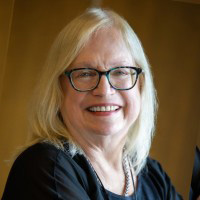
Anne Stuart is a journalist, teacher, and stand-up storyteller. This is a shorter version of a story she told live at a Moth StorySlam and a Speak Up Storytelling show. She led a storytelling workshop at the 2025 WriteAngles Conference. Learn more at www.linkedin.com/in/annestuart